Table of Contents
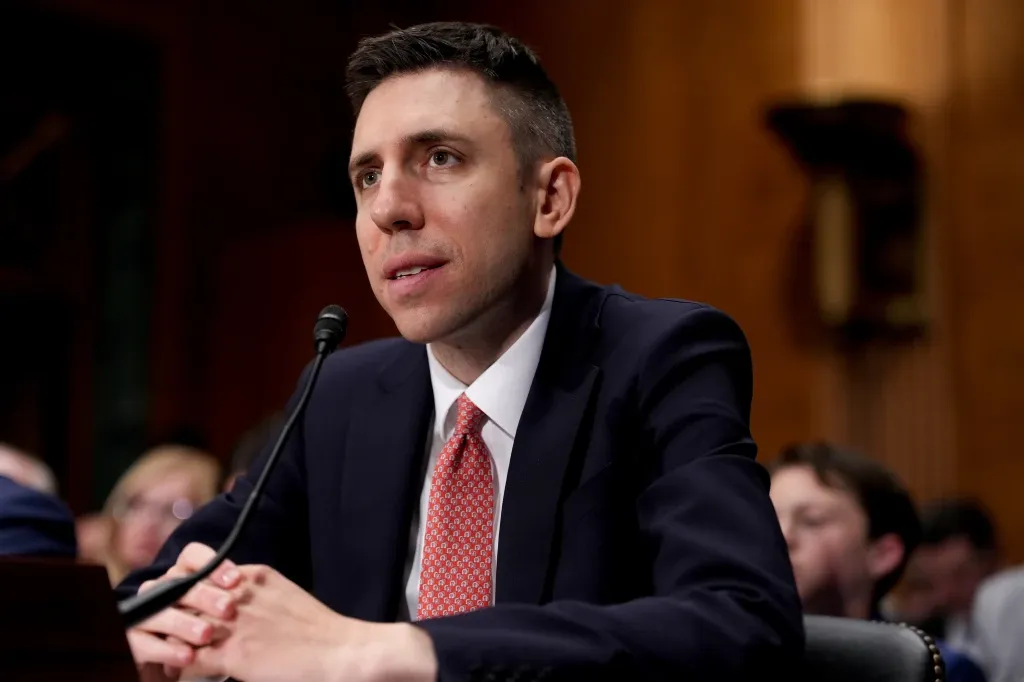
The Senate Agriculture Committee voted Thursday to advance its portion of a long-awaited crypto market structure bill, marking the first time digital asset legislation of this scope has cleared a Senate committee.
Lawmakers approved the Digital Commodity Intermediaries Act in a 12-11 party-line vote, moving forward a framework that would give the Commodity Futures Trading Commission expanded authority over digital commodities and establish a formal spot market regime for crypto trading platforms.
The vote represents a procedural breakthrough for the crypto industry, which has pushed for clearer rules after years of enforcement-driven oversight. But the lack of Democratic support underscores the political friction that continues to surround digital asset regulation in Washington.
“This is a critical step toward creating clear rules for digital asset markets,” Senate Agriculture Committee Chairman John Boozman, R-Ark., said following the markup. He acknowledged that further negotiations will be required as the bill moves through Congress.
The Agriculture Committee’s measure builds on the House-passed CLARITY Act, which advanced last summer with bipartisan backing. The Senate version sets out a legal definition for digital commodities, creates a registration framework for crypto intermediaries, and introduces consumer protections including disclosure requirements and conflict-of-interest safeguards. It also mandates coordination between the CFTC and the Securities and Exchange Commission and establishes a funding mechanism to support the CFTC’s expanded oversight role.
Bipartisan talks broke down ahead of Thursday’s vote. Sen. Cory Booker, D-N.J., who helped negotiate a bipartisan discussion draft released in November, said Republicans abandoned key elements of that agreement.
“The product put before us today is not the bipartisan draft that we were working on,” Booker said during the hearing, pointing to unresolved concerns around ethics, national security, and the structure of the CFTC.
Ethics issues dominated Democratic criticism of the bill, particularly as President Donald Trump and members of his family have become increasingly involved in crypto ventures. Booker argued the legislation failed to include guardrails that would prevent conflicts of interest at the highest levels of government.
Democrats offered amendments that would have barred elected officials and their families from issuing or promoting digital assets, but none were adopted. Boozman said those issues fall outside the committee’s jurisdiction.
Attention now shifts to the Senate Banking Committee, which holds parallel jurisdiction over crypto market structure due to its oversight of the SEC. That committee postponed a planned markup earlier this month after pushback from the crypto industry, including from Coinbase CEO Brian Armstrong.
Armstrong has publicly criticized the Banking Committee’s draft, warning that certain provisions could constrain decentralized finance and effectively block tokenized equities from developing in the U.S. market. No new date has been set for the committee to revisit the legislation.
For the bill to advance to the Senate floor, both committees must pass their respective versions and reconcile differences. While Thursday’s vote marks a milestone for crypto policy, the path forward remains uncertain as lawmakers navigate industry pressure, partisan divides, and unresolved regulatory questions.